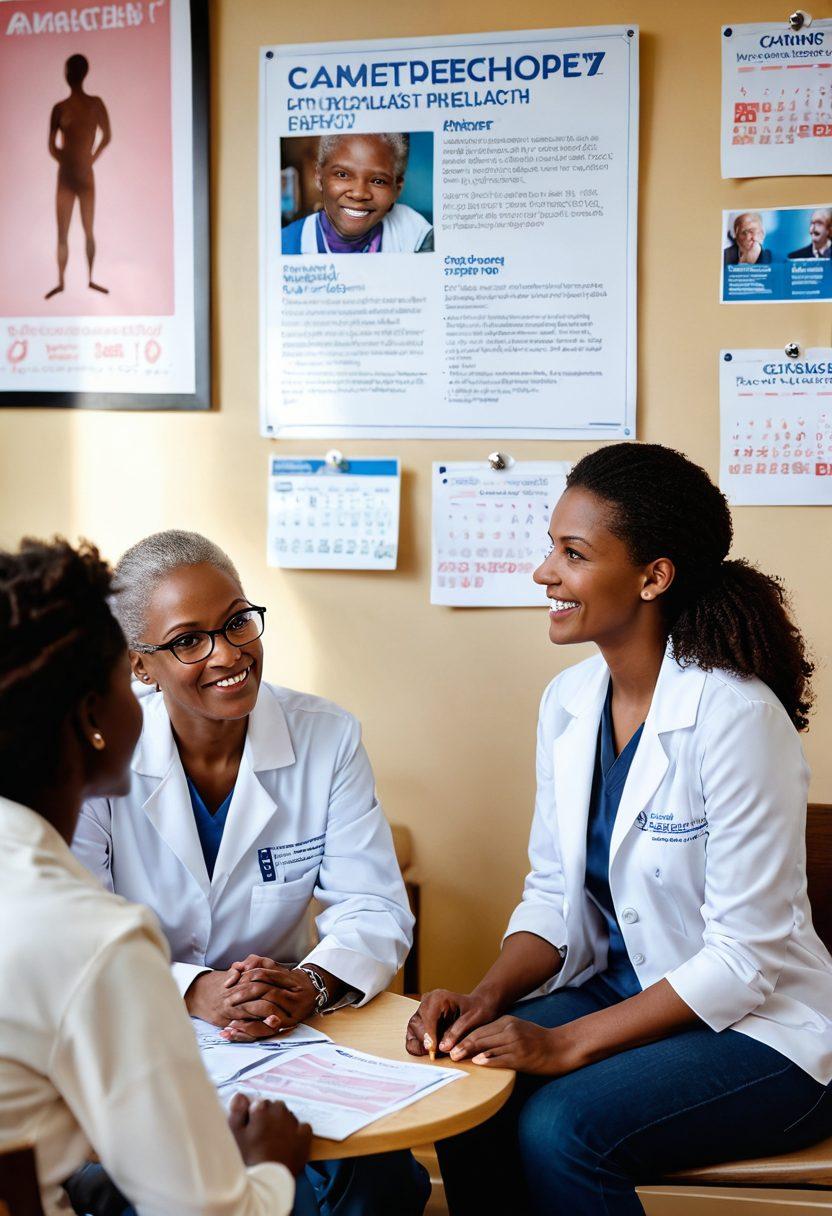
Navigating Cancer Care: Empowering Patients Through Awareness, Advocacy, and Innovative Treatments
In the fight against cancer, knowledge is power. It’s not just about battling a carcinogenic foe but understanding the full spectrum of what cancer care entails. For many patients, the journey begins with a diagnosis, often accompanied by fear and uncertainty. But as the famous saying goes, 'Awareness is the first step to healing.' This recognition can empower individuals to navigate through treatment options such as immunotherapy, chemotherapy, and radiation therapy, each with its unique set of benefits and challenges. So, how can patients familiarize themselves with these options while advocating for their own health?
When discussing treatment options in oncology, the word 'personalized' often arises. A patient's cancer type, its stage, and specific tumor characteristics can greatly influence whether immunotherapy or chemotherapy is recommended. Immunotherapy uses the body’s immune system to fight malignancies, which can be particularly effective against certain tumors, but it's not universally applicable. On the other hand, chemotherapy has been a cornerstone of cancer treatment for decades, targeting rapidly dividing cells but often comes with significant side effects. As you reflect on your treatment journey, consider the mantra: 'Informed choices lead to empowered lives.'
Imagine standing at a crossroads, unsure which path to take. This is often how patients feel when faced with treatment options. The choice between chemotherapy, immunotherapy, and possibly participating in clinical trials can feel overwhelming. Questions swirl: What are the risk factors for recurrence? How does my lifestyle play a role in my health and wellness? It’s essential to engage with your healthcare team, seeking medical guidance that comprehensively addresses your concerns—after all, your health journey is distinctly yours, and understanding your options is part of crafting your narrative.
Patient advocacy plays a crucial role in this landscape. Joining support groups or seeking resources can provide both emotional support and practical information about various treatments available for carcinoma and other malignancies. Health education—be it through workshops, webinars, or literature—can illuminate pathways to survivorship. And let’s not forget the influence of early detection: it can significantly alter treatment options available to patients and greatly enhance outcomes. In this realm of patient support, the belief that 'Together, we are stronger' rings true—collaboration enriches the journey.
Navigating cancer care should be a holistic experience. Incorporating lifestyle changes alongside prescribed treatments can fortify one's overall health and wellness. Eating nutritious foods and engaging in physical activity can bolster resilience during treatment. Ultimately, it's about more than just surviving; it’s about thriving. Whether you’re at the beginning of your journey or reflecting on survivorship, prioritize your empowerment through cancer awareness and informed decision-making. Remember, navigating cancer care is not a solitary journey; it's a community effort aimed at defeating a common adversary.
The Role of Awareness in Cancer Care: Promoting Early Detection and Prevention
In a world where cancer affects millions, one question emerges as a beacon of hope: How can awareness transform the landscape of cancer care? Understanding the profound role of cancer awareness can help individuals and communities prevent or detect malignancies like carcinoma before they progress. Engaging in health education is not simply about imparting knowledge; it is about catalyzing a movement towards proactive health choices. By promoting cancer awareness and early detection, we can arm ourselves with information that could save lives, making it crucial in the fight against this pervasive disease.
Imagine waking up one day and discovering that a tumor you didn’t know existed has grown large enough to warrant urgent care. Unfortunately, this is a reality for many individuals where early detection fell by the wayside. Did you know that 1 in 2 men and 1 in 3 women will be diagnosed with cancer in their lifetime? This staggering statistic underscores the need for effective cancer awareness initiatives. By understanding our body, recognizing the risk factors, and taking steps toward healthier lifestyle changes, we increase our chances of catching diseases in their infancy when treatment options like immunotherapy, chemotherapy, and radiation therapy can be most effective.
But knowledge is only one part of the equation; community engagement is the other. Support groups and patient resources can facilitate conversations that lead to better health choices. How can we encourage loved ones to become advocates for their own health? By sharing compelling stories of survivorship and how others navigated their journeys through cancer care, we can inspire those around us. Patient advocacy calls for us to rally together—sharing experiences, spreading health education, and ensuring everyone has a voice in their own cancer care journey.
Furthermore, let’s not overlook the promise of clinical trials and ongoing cancer research that continues to shape the future of oncology. These advancements in treatment offer new hope to patients. Have you ever considered exploring the latest breakthroughs in cancer treatment options? Being informed about emerging therapies can empower patients, giving them the tools to make informed decisions regarding their care. The intersection of treatment innovations and solid health practices fosters a holistic health approach, enhancing patients' survivorship beyond the cancer experience.
In conclusion, the role of awareness in cancer care is both significant and transformative. As we make strides in understanding the importance of early detection and cancer prevention, we become advocates not just for ourselves but for our community as well. Yes, navigating the complexities of malignancies can be daunting, but with robust patient support, educational resources, and a proactive mindset, we can forge a stronger path toward health and wellness. Together, let’s champion the cause of cancer awareness and arm ourselves with the knowledge we need to conquer this disease.
Advocacy and Support: Building a Community for Cancer Survivorship and Holistic Health
In the journey through cancer care, the landscape can often feel overwhelming—like being adrift in a vast ocean of information and emotions. The sheer number of treatment options, from chemotherapy to immunotherapy, along with supportive measures such as patient advocacy and community support, can leave many individuals feeling lost at sea. This is especially true for those grappling with a malignancy like carcinoma, where every decision can feel monumental. But what if navigating this journey didn't have to feel so lonely? What if we could all be part of a vibrant community devoted to survivorship and holistic health?
Advocacy and support play a vital role in cancer care, transforming what can often seem like an isolating experience into one full of connectedness and empowerment. As patients share their stories, triumphs, and tribulations, they pave the way for others facing similar challenges. Think of it this way: each story is like a beacon of light, guiding another navigator through the unpredictable waters of cancer management. Through support groups, individuals gain not just compassion but also practical insights about lifestyle changes and the latest advancements in cancer research, including clinical trials and emerging treatment options.
Consider the importance of health education in this community space. The more informed a patient is about their risk factors and treatment pathways—whether that includes radiation therapy or alternative approaches to health and wellness—the better equipped they are to make decisions that align with their values and needs. A powerful quote reminds us that 'knowledge is power.' When patients are armed with the right information, they can advocate fiercely not just for themselves but for others who may still be at the beginning of their journey. This collective strength fosters an environment where cancer awareness flourishes, and individuals feel supported.
Even amidst the challenges posed by a cancer diagnosis, it’s crucial to remember that survivors are not just patients—they are warriors who have faced one of life's toughest battles. Their stories of resilience and hope offer invaluable lessons to those still in the throes of treatment. By integrating holistic health practices into their lives—focusing on nutrition, exercise, and mental well-being—they showcase that wellness is a multifaceted journey. The mantra here is clear: survivorship is not merely about surviving cancer; it’s about thriving in a post-treatment world. What steps can you take today to contribute to this holistic health movement?
Ultimately, building a community around cancer survivorship and holistic health means more than just shared experiences; it means creating resources that patients can turn to when the path ahead seems uncertain. With the right medical guidance and robust patient support systems in place, individuals can navigate their cancer care empowered and equipped. So, whether you’re a patient, a caregiver, or an ally, remember: your voice matters. Embrace it, share your journey, and together, let’s champion a future where we all can thrive beyond cancer.